Just How Artificial Roofing Installers Prepare Houses for Year-Round Exposure
A roof covering does even more than cap a home. It handles water, resists wind uplift, barriers temperature swings, and protects every layer beneath it from slow-moving, costly damage. That job gets harder in environments where a home sees blazing summer sun, freeze-thaw cycles, sleet, hefty rainfall, and wind in the very same fiscal year. In those conditions, artificial roof covering installers do not just secure tiles and leave. They prepare the whole home, from deck to flashing to ventilation path, so the roof system can handle year-round direct exposure without coming to be the powerlessness of the building envelope.
That prep work issues a lot more with synthetic roofings since the product is frequently selected for performance as long as look. Lots of house owners are attracted to building synthetic roof covering since it can simulate cedar shake, slate, or ceramic tile while staying clear of some of the maintenance and weight concerns of all-natural materials. Others desire premium synthetic roof covering for a customized develop or artificial roofing for luxury homes where aesthetic allure is non-negotiable. In either instance, the finished appearance just executes as promised if the installment work underneath is thoughtful and exact.
I have actually seen excellent products fail early since the staff dealt with the task like a common tear-off and reroof. I have actually additionally seen property artificial roofing outperform expectations for several years since the installer took notice of the details no one notices from the road. The difference usually shows up long before the very first roof shingles goes on.
Preparation starts with the house, not the product
An experienced artificial roofer begins by considering the home as a system. The roofing system covering is just one layer. Under it are the deck, underlayment, flashing shifts, consumption and exhaust air flow, insulation conditions in the attic, and the drainage path that lugs water far from the framework. If any of those pieces are weak, a new roofing system can inherit old problems.
That initially assessment is normally much more revealing than home owners expect. A home might have minor deck rot around a chimney chase, old step flashing buried under exterior siding, soft places near a valley, or indications of condensation in the attic that have nothing to do with the shingles currently on the roof. A good artificial roof firm does not paper over those problems. It documents them, discusses what requires modification, and develops the artificial roofing installation around the truths of the house.
This is particularly important with artificial roofing systems developed to replicate slate or tremble accounts. Those products frequently have specific attachment, spacing, and slope demands. They can be flexible somehow, but they are not magic. If the substrate is irregular, if air flow is bad, or if wetness is already entraped in the assembly, costs materials can not resolve those issues on their own.
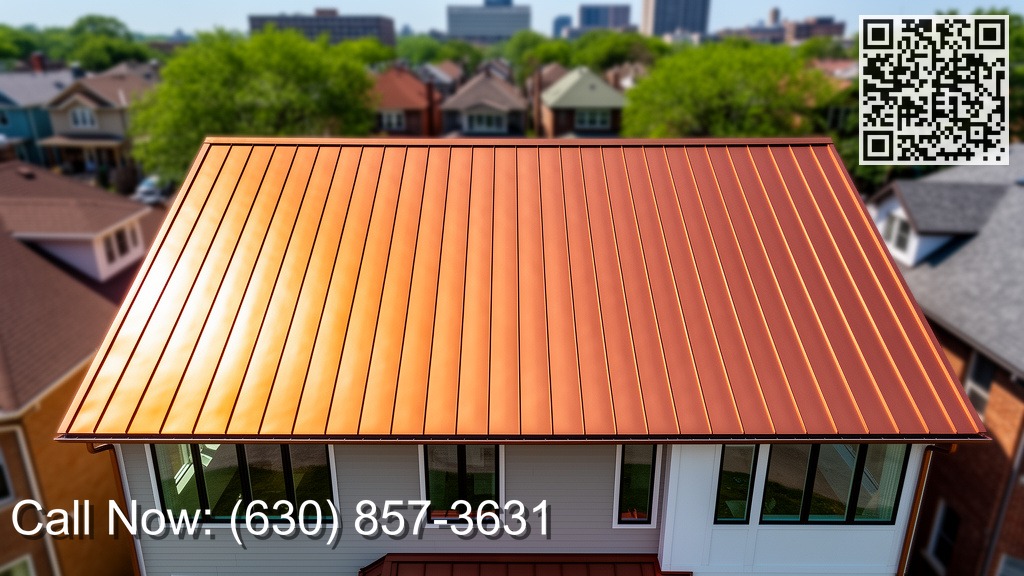
Why year-round direct exposure changes the installment approach
A roof covering in a moderate climate can escape more faster ways than a roofing system in the top Midwest. In position with wide seasonal swings, such as synthetic roof covering Chicago tasks or homes requiring a synthetic professional roofer Chicagoland, setup selections have to represent motion, ice, dampness, and sunlight direct exposure all at once.
Winter reveals weak points around eaves, valleys, and infiltrations. Water supports behind ice, locates a staple hole or flashing gap, and works its means inside. Springtime discloses whether water drainage was prepared appropriately. Summer emphasizes the roofing with UV direct exposure and thermal development. Fall tests whether leaves, particles, and wind-driven rainfall will certainly overwhelm the susceptible intersections on the roofing system plane.
Synthetic roof covering roof shingles are frequently selected because they withstand fracturing, splitting, or the kind of weathering related to some conventional materials. That is a genuine benefit, yet it does not alter the installer's responsibility to get ready for seasonal anxiety. The toughest roof covering on the planet will still leakage if a sidewall blinking was tucked severely or if an exhaust vent was installed out of plane.
The tear-off informs the real story
On replacement jobs, specifically artificial roof replacement, the most beneficial information often appears just after the old roof covering comes off. Discolorations hidden below underlayment, nail exhaustion in the deck, failed blinking information, and years of jumble fixings come to be visible simultaneously. Experienced artificial roofing system installers understand that this is the moment to reduce and examine, not rush to dry-in and keep the routine moving.
I keep in mind a replacement project on a big home where the owner was focused nearly totally on appearances. They desired a synthetic item that resembled hand-split cedar, with darkness lines deep enough to suit the architecture. When the tear-off begun, the staff found repeated dampness breach around two dormers and a smokeshaft cricket that had been mounted too shallow to drop water properly. From the ground, none of that was obvious. Had the group just installed brand-new premium artificial roofing over the existing geometry, the stunning brand-new roofing system would certainly have inherited the exact same leak pattern by the next storm season.
That is one reason reputable contractors construct backup language right into proposals. Not since they want to upsell every job, yet because surprise problems prevail and the best fix sometimes only becomes clear once the old assembly is open.
Deck stability is non-negotiable
Synthetic roof covering items rely on a steady nailing surface. If the roofing deck bends, swells, delaminates, or contains sections deteriorated by rot, fastening patterns can stop working and the roof covering can lose the crisp placement that makes these materials attractive in the initial place.
Preparation at this phase https://salvoarchitecturalroofingcontractors.com/repair-and-maintenance/ typically includes changing endangered sheathing, refastening loose sections, and fixing uneven transitions where old repair work left ridges or dips. On older homes, installers may uncover combined products on the same slope, such as initial board decking alongside newer sheet items. That is not immediately a trouble, but it often needs judgment. Fastener holding power, underlayment habits, and ended up look can all change when the substratum varies throughout a plane.
For architectural artificial roofing that copies slate, small deck abnormalities can telegram through the ended up work in manner ins which are more difficult to overlook than on less complex asphalt roofings. The installer has to assume beyond watertightness and represent sightlines, exposure uniformity, and the aesthetic rhythm of the roof.
Underlayment does even more job than most property owners realize
Underlayment is commonly reviewed like a box to inspect, yet on a well-prepared roof it acts as an essential second protection. When a home deals with year-round exposure, underlayment technique should mirror environment, roof geometry, and the producer's specifications for the picked synthetic roof covering systems.
At the eaves, vulnerable valleys, and low-slope shifts, self-adhered ice and water protection is generally used to defend against backup and wind-driven dampness. Across the field of the roof covering, artificial underlayment may be picked for tear resistance, walkability, and far better weather direct exposure during setup. The exact combination relies on incline, intricacy, and regional conditions.
A house owner contrasting quotes might not notice the distinction in between a professional that plans the underlayment in layers and zones versus one who treats the entire roof with a one-size-fits-all strategy. Yet that difference typically turns up years later on, when a flashing side gets stressed in winter months or a rainfall event presses water where it generally would not go.
Flashing is where workmanship reveals up
If there is one location that divides a mindful synthetic professional roofer from a rushed one, it is blinking. Smokeshafts, skylights, plumbing vents, sidewalls, dead valleys, roof-to-wall junctions, and dormer shifts are the areas where water testing materializes. A roof covering can be exceptional, however if flashing details are weak, the setup is vulnerable from day one.
Good flashing work is hardly ever remarkable. It is measured, layered, and usually hidden. Step flashing ought to integrate appropriately with the wall assembly. Counterflashing need to lose water instead of catch it. Valleys need to be detailed according to both product demands and runoff volume. Pipeline boots ought to match the profile and anticipated movement of the roofing surface area. Steel sides should be mounted with the drain path in mind, not just appearance.
In markets with wintertime weather, such as artificial roof Naperville IL and broader Chicagoland areas, flashing information are entitled to additional care because freeze-thaw cycles exploit small errors. A pinched underlayment joint or terribly splashed metal side may make it through a few dry months, then fail throughout an icy rain when water remains where it should not.
Ventilation becomes part of roof covering preparation, not a separate upgrade
Homeowners typically consider attic room ventilation as a power topic, however, for a roofing installer it is additionally a sturdiness topic. An out of balance or obstructed air flow system can contribute to heat build-up, trapped wetness, ice dam conditions, and early aging of roofing components.
When synthetic roof covering installers prepare a home for complete seasonal direct exposure, they take a look at intake and exhaust with each other. Soffit vents obstructed by insulation, ridge vents mounted over poor consumption, or old box vents left in position without a meaningful air flow strategy can threaten a brand-new roof covering setting up. The goal is not to go after a generic formula. It is to produce a practical air course that matches the house.
That is specifically crucial on bigger personalized homes where rooflines are sliced up by dormers, hips, valleys, and decorative functions. Artificial roofing for luxury homes often involves challenging geometry, and challenging geometry often tends to develop quiet pockets and difficult moisture patterns in the attic. A professional with genuine experience accounts for that before the noticeable roof goes on.
Seasonal exposure implies planning the edges carefully
The roofing side is where several weather condition occasions end up being architectural troubles. Wind assaults the perimeter first. Ice often creates at the eaves. Overflow from blocked gutters backs water under the initial courses. Sunlight exposure can be harsher at subjected rake sides, depending on orientation.
This is why installers put so much initiative right into drip side positioning, starter programs, overhang measurements, and gutter positioning. The information are tiny, yet they establish whether water easily departures the roofing system or swirls back into the assembly. On artificial roof covering installation jobs, side describing should additionally appreciate the profile and fastening pattern of the roof product so the initial and last training courses stay safe and secure and aesthetically consistent.
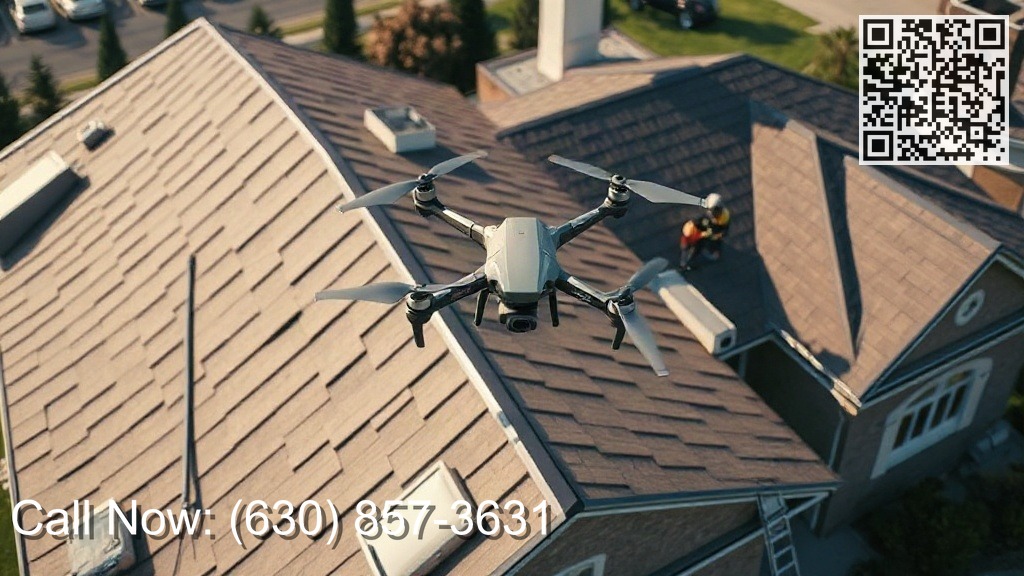
A surprisingly typical failing factor is the shift in between new roof and older gutter systems. If gutters are undersized, incorrectly pitched, or put as well securely under the roofing edge, also a quality brand-new roof covering can battle during tough rain. An extensive installer flags those concerns early as opposed to presuming somebody else will deal with them.
What experienced staffs typically check prior to installation
Before the roofing system covering is set up, a qualified crew has actually generally checked numerous conditions that directly impact long-term efficiency:
- Deck problem, including rot, delamination, loosened panels, and uneven areas
- Drainage paths at valleys, eaves, crickets, and roof-to-wall changes
- Ventilation balance in between intake and exhaust
- Condition and compatibility of flashing, penetrations, and side steel
- Manufacturer requirements for incline, attachment, format, and accessory components
That list appears basic, but the worth remains in just how it is analyzed. A much less seasoned staff may look at those same five locations and miss what matters. An experienced artificial roof covering business can read the evidence left by the previous roofing and adjust the setup strategy before concealed weaknesses end up being call-backs.
Layout matters much more on artificial profiles than several expect
One of the selling factors of artificial roof coverings is appearance. Homeowners desire the depth of cedar shake, the measurement of slate, or the polished look of floor tile without several of the concerns those natural products bring. To supply that result, installers have to pay attention to format from the very first program onward.
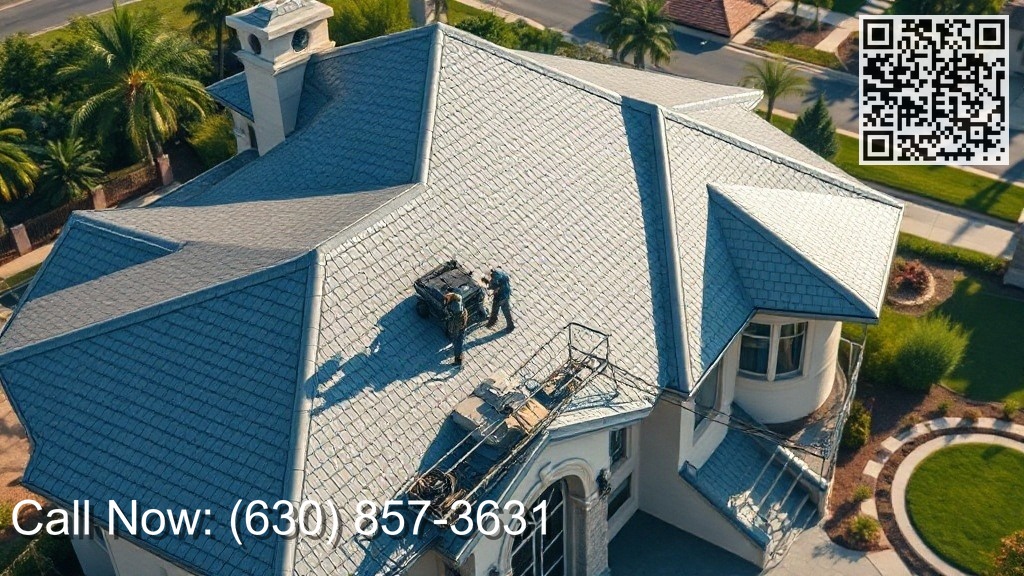
That includes exposure spacing, offset patterns, blending of shingle sizes where relevant, straightness at long eaves, and alignment throughout valleys and dormers. Minor format drift may be hardly obvious on simple roof covering, yet on architectural artificial roof it can influence the whole character of the ended up home.
I have actually seen work where the product itself was superb, but the roof looked unclear due to the fact that the crew did not manage gushing and visual balance. On larger houses, that problem ends up being evident fast. Excellent synthetic roof covering installers understand that premium artificial roof is evaluated both up close and from fifty backyards away.
Fastening patterns and manufacturer information are not optional
Every artificial product line has its own guidelines on nails, direct exposure, overlap, accessory usage, and appropriate inclines. Installers who jump in between roofing kinds without appreciating those specifics can produce failings that might disappoint up immediately.
Some products are more inflexible, some more flexible. Some need exact bolt placement zones to resist wind uplift. Some count on accessory starters, hips, or ridges designed for that system. Prep work for year-round direct exposure includes reading the product demands thoroughly and matching them to actual website conditions.
This is an area where property owners in some cases assume all roofing professionals are compatible. They are not. A specialist that does outstanding asphalt job may still need specialized experience to deal with synthetic roof covering roof shingles well. When interviewing a synthetic roofing contractor, it deserves asking not just whether they install synthetic roofings, however which item households they recognize and just how often they deal with them.
The home itself needs security throughout the process
Roof prep work also includes shielding the house and property while the job is underway. Tear-off debris, revealed outdoor decking, abrupt weather changes, and product staging can all create risk if the site is not managed well.
A mindful crew generally takes a few sensible actions that house owners appreciate when the project is underway:
- Shields landscaping and hardscape near eaves and dispose zones
- Stages products to avoid straining vulnerable locations or obstructing accessibility
- Uses weather surveillance and dry-in sequencing to reduce direct exposure throughout tear-off
- Protects attic components when dirt and particles are likely
- Runs magnetic clean-up and final detail cleanup beyond the immediate perimeter
Those routines do not straight transform the roof's wind rating or water resistance, however they tell you a lot regarding the top quality of the procedure. Specialists who are disciplined about website protection are commonly disciplined regarding hidden roof covering details too.
Local environment and architecture always shape the last approach
A wide article can explain principles, however actual roof covering prep work is constantly local. A steep-roofed stone home in the suburban areas has various needs than a low-slope section over a rear addition in an older neighborhood. A personalized home looking for artificial roofing Chicago solutions might require snow and ice preparation that varies from a milder regional market. A house owner buying synthetic roofing Naperville IL may be balancing looks for a high-visibility area with useful worries like tree particles, seasonal tornados, and an intricate roofline.
This is why the best installers avoid canned suggestions. They ask how the house has actually executed with previous winters months. They look at attic problems. They examine where ice created, where seamless gutters overflowed, and where prior repairs took place. They likewise take notice of direct exposure, because a south-facing incline cooking in summer and a shaded north incline holding moisture in springtime age differently.
Synthetic roof covering replacement is commonly a possibility to take care of old structure habits
One of the most beneficial components of a synthetic roofing system replacement is the opportunity to fix information that might have been incorrect for many years. That can consist of removing too many contending vents, reframing a smokeshaft cricket, boosting attic room air movement, changing incorrect flashing at wall surface junctions, or updating vulnerable valleys.
Homeowners do not constantly realize just how much of their previous roof covering's background is composed right into the wood and metal below the tiles. Dark discoloration, corrosion tracks, compressed insulation, and patchwork sealant all tell a story. The specialist's task is to check out that story and damage the failure pattern prior to installing the new system.
Done right, that is what makes artificial roof so efficient in year-round conditions. The product itself adds durability, however the performance comes from the whole setting up being remedied, split, and finished with intent.
Choosing the ideal installer issues as high as choosing the material
There is no shortage of marketing around costs roof covering items. The more challenging component is discovering a team that treats installation as craft as opposed to commodity. The ideal artificial roofing company will speak clearly concerning prep job, not just shade options and suppress allure. It will certainly discuss what takes place if harmed decking is located, just how underlayment is defined, what blinking details are being replaced, and whether ventilation is being evaluated as part of the project.
That level of openness is especially crucial for property owners purchasing synthetic roof for deluxe homes, where the stakes are greater and rooflines are normally a lot more complicated. A huge or architecturally enthusiastic home multiplies every choice, from tile format to steel describing to drain preparation. It is not enough for the roof covering to look completed. It has to stay completed via tornados, warmth, snow, and the tiny stress and anxieties that duplicate season after season.
When artificial roofing installers prepare homes effectively, they are not just installing a brand-new surface area. They are constructing strength right into the top of the house. They are making certain the roof covering can drop water in April, resist sunlight in July, withstand wind in November, and handle ice in January. That type of preparation is rarely flashy, but it is exactly what makes an artificial roof worth the investment.
When Quality Matters
Salvo Architectural Roofing Contractors
566 West 5th Ave Naperville, IL 60563
(630) 857-3631
[email protected]
 Ask ChatGPT
 Ask Grok
 Ask Perplexity
 Ask Claude
 Ask Google AI
 Ask You
Corrections
Spot something wrong? Send it to the desk and it gets fixed in the open.